Machine Learning & industrial AI
“I have data but no measurable ROI.”
A model that doesn’t deliver measurable ROI isn’t worth deploying. We start from your field data (sensors, production, logistics) to build models whose impact you can measure in your business.
Models with measurable impact, not just demos.
We define the use case before we talk about algorithms, so every model addresses a real, measurable operational challenge.
- Predictive maintenance models based on sensor data (IoT, SCADA).
- Computer vision for quality control and automated inspection.
- Optimisation algorithms: production scheduling, planning, logistics routing.
- Measuring and managing the ROI of industrial AI use cases.
The kind of projects we deliver.
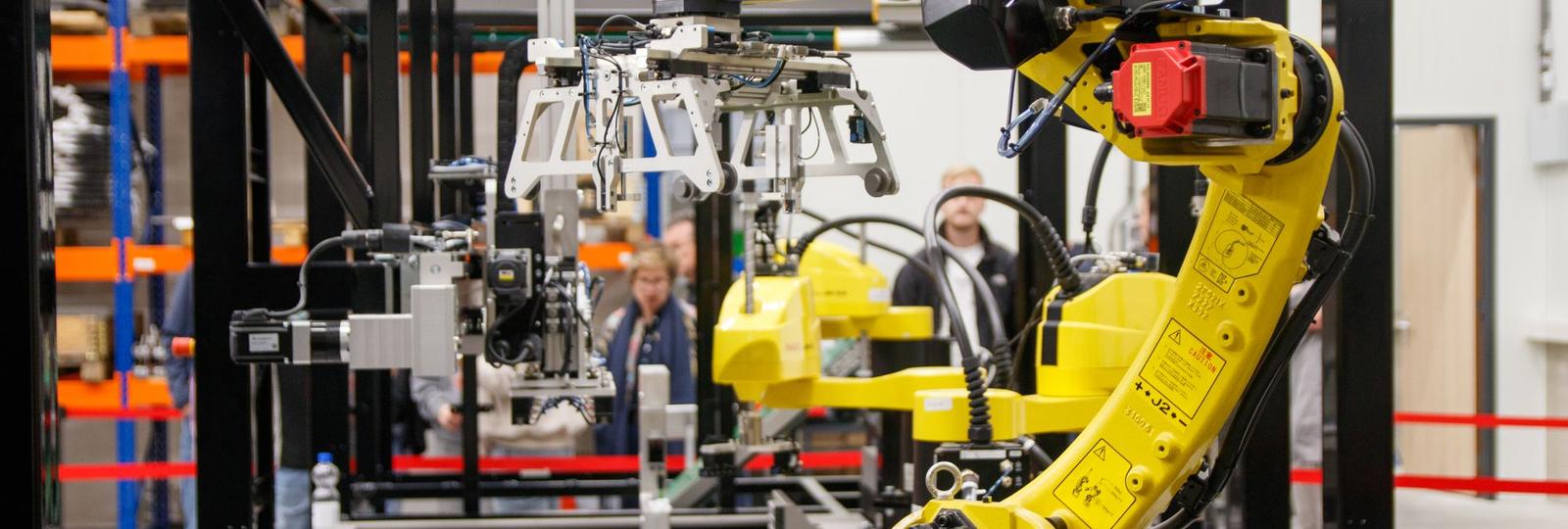
Predictive maintenance on critical equipment
Predictive maintenance model for critical industrial equipment, built from vibration and temperature data.
Computer vision quality control
Computer vision quality control on a production line, for automated defect detection.
Delivery route optimisation
Optimising logistics routes with routing algorithms, taking multiple operational constraints into account.
Examples of the kind of projects our teams deliver.





Focused on results
A pragmatic approach built around real results and efficiency, not technology for show.
Scoping first
We define the project before we talk about tools, so we avoid dead ends.
Real-world delivery
We take solutions all the way to production, not just to prototype.
Plain speaking
Complex topics made clear and practical, with no needless jargon and no overpromising.
The questions we hear most often.
How do you measure the ROI of a machine learning project?
We define the success indicators before the project starts (time saved, fewer breakdowns, detection rate…) and track them over time, not just in the initial demo.
Do you need a lot of historical data for predictive maintenance?
It depends on the equipment and sensors already in place. At the scoping stage we assess the availability and quality of your sensor data (IoT, SCADA) so that we can propose a realistic approach, not a theoretical one.
How is computer vision different from traditional quality control?
Computer vision detects defects with a consistency and speed that are hard to match manually, especially on high-rate lines. It complements your existing quality control rather than necessarily replacing it.
Do your models work in constrained industrial environments (without internet access)?
Yes. We design deployments around field constraints, including isolated or low-connectivity environments, depending on your needs.
What happens if the model doesn’t perform as expected in production?
We monitor model performance in production from day one, so we can detect drift and retrain if needed, rather than treating the project as finished at go-live.
Have an AI use case to assess?
Tell us about your context. We’ll get back to you shortly to assess the ROI potential.